
The Hidden Cost of Forklift Traffic
Every Forklift Journey Costs More than you Think
Forklifts are the Backbone of Most Warehouses. They Move Products, Replenish Stock, Load Trucks, and Keep Operations Running.
But what many Businesses don’t realise is that Every Unnecessary Forklift Journey adds Cost. Not just Fuel or Electricity. Every Additional Metre travelled Increases Labour Time, Equipment Wear, Battery Charging, Maintenance Requirements, Congestion, and the Risk of Accidents.
For Warehouses handling Hundreds or even Thousands of Pallets Each Day, these Costs quickly add up. The Question isn’t How Many Forklifts you have. It’s whether they’re Spending their Time Moving Products, or Simply Travelling.
Forklift Traffic Is Often a Warehouse Design Problem
When Warehouse Productivity begins to Decline, it’s Easy to Blame Equipment Shortages or Staffing Levels. In reality, Inefficient Warehouse Layouts often Create Unnecessary Forklift Movement. Operators Travel Deeper into Storage Lanes. They Wait for Other Forklifts to Clear Aisles. They Reverse through Congested Traffic. They Spend Valuable Time Simply Reaching the Next Pallet. Multiply this by Hundreds of Pallet Movements Every Day, and the Impact becomes Significant.
Common Consequences Include:
- Longer Loading and Unloading Times.
- Increased Equipment Wear.
- Higher Maintenance Costs.
- More Battery Charging Cycles.
- Greater Risk of Product and Racking Damage.
- Reduced Throughput During Busy Periods.
- Increased Operator Fatigue.
- More Congestion Throughout the Warehouse.
None of these Challenges Add Value.
Every Extra Journey Reduces Productivity
A Forklift Generates Value when it’s Loading or Unloading a Pallet. It doesn’t Generate Value while Travelling through Long Storage Lanes.
Traditional Drive-In Storage often Requires Forklifts to Enter Deep into the Racking to Place or Retrieve Pallets. While Effective for Increasing Storage Density, this approach can also Increase Travel Time, Slow Operations, and Expose Racking Structures to Accidental Impacts.
As Warehouse Activity Increases, these Inefficiencies become More Noticeable. The Result is Lower Productivity, even when the Warehouse Appears Busy.
A Smarter Way to Move Pallets
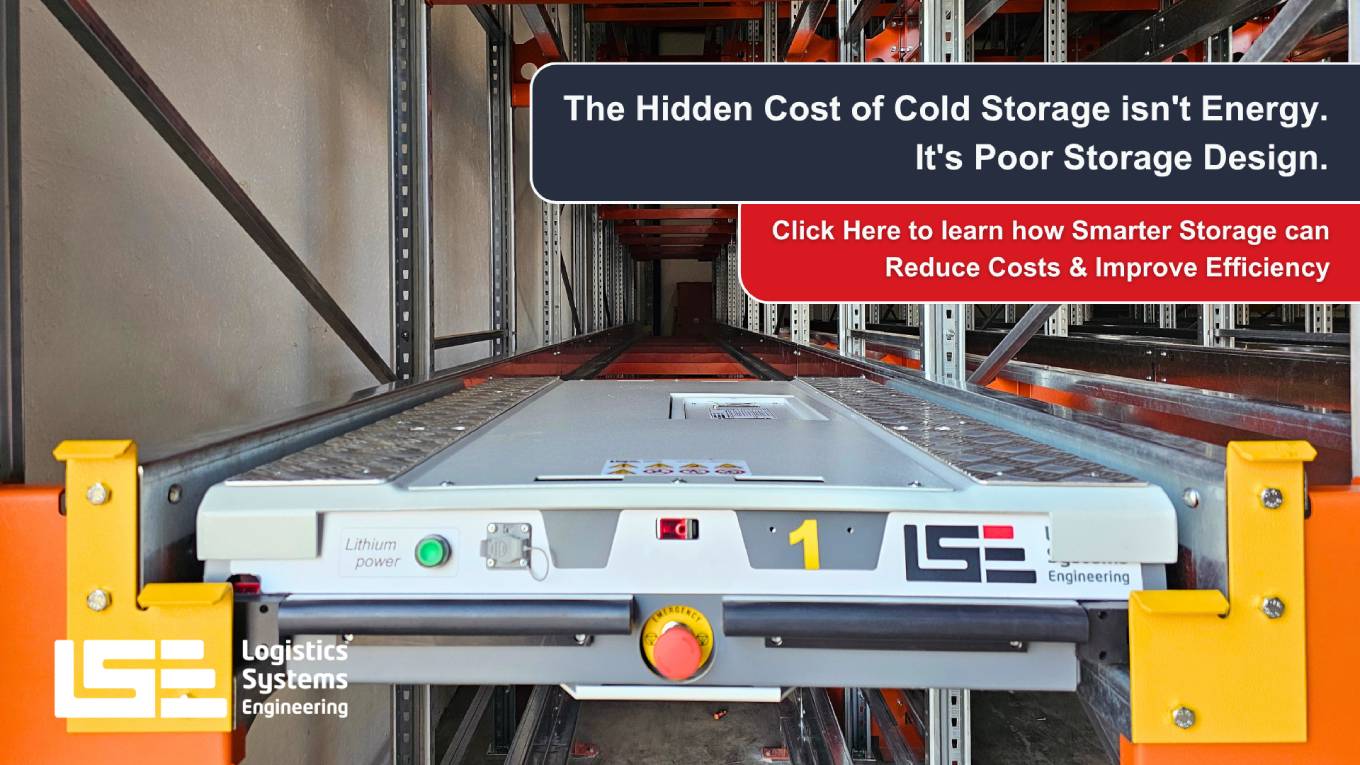
Rather than Sending Forklifts into the Racking, LSE’s Pallet Shuttle System brings Automation directly into the Storage Channel. The Forklift Positions the Pallet at the Channel Entrance, where the Shuttle Automatically Transports it to the Correct Storage Location.
The Operator Remains Outside the Racking while the Shuttle Completes the Journey. This Simple Change Transforms Warehouse Operations by Reducing Unnecessary Forklift Travel while Increasing Overall Throughput.
The Benefits Extend Beyond Productivity
Reducing Forklift Movement doesn’t only Improve Efficiency.
It can also help Businesses Achieve:
- Reduced Forklift Congestion.
- Lower Maintenance Costs.
- Less Rack and Product Damage.
- Improved Operator Safety.
- Faster Pallet Handling.
- Better Utilisation of Warehouse Equipment.
- Higher Daily Throughput.
- More Consistent Warehouse Performance During Peak Demand.
Built for High-Performance Warehouses
LSE’s Pallet Shuttle System is Designed for Warehouses where Speed, Storage Density, and Operational Reliability are Essential.
Ideal for:
- Food & Beverage
- Cold Storage
- Fruit & Vegetable Export
- Manufacturing
- Distribution Centres
- 3PL Logistics
- Retail & FMCG
- Pharmaceutical Warehouses
LSE’s Pallet Shuttle System supports both FIFO and LIFO Inventory Strategies while Operating Reliably in Environments as Cold as -45°C.
By combining High-Density Storage with Semi-Automated Pallet Movement, businesses can Increase Capacity without Increasing Forklift Traffic.
Built for High-Performance Warehouses
Many businesses focus on Purchasing Additional Forklifts when Warehouse Performance begins to Slow. Sometimes the better Investment is Reducing the Distance those Forklifts need to Travel.
Smarter Storage Systems don’t Replace Forklift Operators. They help them become Significantly More Productive. By Eliminating Unnecessary Travel, Reducing Congestion, and Streamlining Pallet Handling, Businesses can Improve Efficiency without Expanding their Facilities or Increasing Labour Requirements.
Ready to Reduce Forklift Traffic?
If your Warehouse is Experiencing Congestion, Excessive Forklift Travel, or Declining Productivity, it may be Time to Rethink the way Pallets Move through your Operation.
LSE’s Pallet Shuttle System helps Businesses Reduce Forklift Movement, Increase Storage Density, Improve Throughput, and Create Safer, More Efficient Warehouse Environments.
Contact LSE Today and Discover how Intelligent Pallet Handling can Transform your Warehouse Performance.